Introduction
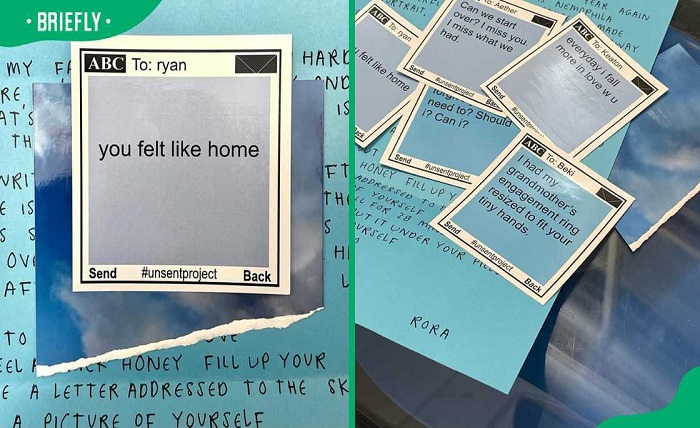
The Unsent Project is a fascinating online archive and community that allows individuals to write letters they never intend to send. Created in 1995 by artist and writer Christine Martindale, The Unsent Project serves as a safe space for people to express their deepest thoughts, unfiltered emotions, and unresolved feelings. Unlike traditional letter-writing, The Unsent Project removes the pressure of delivery, focusing purely on the act of expression. Participants can anonymously share messages to anyone—friends, lovers, or even themselves.
By examining The Unsent Project, we gain insight into the human need to communicate, even when circumstances or fear prevent direct interaction. The project provides both catharsis for the writer and empathy for readers who resonate with the shared experiences. Whether it’s a message of love, regret, or forgiveness, The Unsent Project encourages emotional honesty and reflection. In essence, it transforms the simple act of writing into a form of therapy.
The Origins of The Unsent Project
The Unsent Project was launched during the early days of the internet, a time when online communities were just beginning to flourish. Christine Martindale envisioned The Unsent Project as a digital space where unspoken emotions could find an outlet without judgment. Unlike traditional letters, these messages are not meant to reach their intended recipient. Instead, the primary goal is self-expression and emotional release.
Martindale’s vision turned The Unsent Project into a living archive of human emotion. Participants from around the world began submitting letters about love, heartbreak, regret, and personal confessions. Each submission reflects the universality of emotional experiences, highlighting how people everywhere struggle with unsent words. Today, The Unsent Project has grown into a significant cultural phenomenon, bridging personal reflection and public storytelling in a unique, intimate way.
How The Unsent Project Works
The mechanics of The Unsent Project are simple yet profound. Anyone can visit the platform, write a letter they do not plan to send, and submit it anonymously. Letters can be directed toward anyone, including ex-partners, family members, or even fictional characters. The anonymity and freedom to remain unsent create a safe environment where honesty can flourish.
The process of contributing to The Unsent Project is therapeutic. Many users report feeling lighter and more emotionally balanced after writing letters they would never send. Additionally, the ability to read other submissions fosters empathy and shared understanding. By encouraging self-expression without consequence, The Unsent Project becomes both a personal and collective journey into the heart of human emotion.
Themes Explored in The Unsent Project
The Unsent Project covers a wide range of themes, making it a mirror of human experience. Some of the most common subjects include unrequited love, apologies that were never made, regrets over past decisions, and dreams left unspoken. Each letter provides a glimpse into the writer’s inner world, reflecting vulnerability and honesty.
By exploring these themes, The Unsent Project helps participants confront feelings they may have ignored or suppressed. It also encourages readers to reflect on their own emotions and relationships. The diversity of letters showcases the project’s power: from tales of heartache to messages of gratitude, The Unsent Project reveals the complexity and richness of emotional life.
The Impact of The Unsent Project on Mental Health
Writing unsent letters has long been recognized as a therapeutic tool. The Unsent Project formalizes this process, offering a platform for emotional catharsis. Psychologists note that expressing unspoken thoughts, even privately, can reduce stress, anxiety, and feelings of isolation.
Participants in The Unsent Project often report a sense of closure or relief after submitting their letters. The act of writing and acknowledging their emotions allows them to process difficult experiences without fear of judgment. In this way, The Unsent Project functions not only as a creative outlet but also as a mental health resource, promoting introspection, healing, and emotional awareness.
Digital Community and Shared Experiences
One of the most remarkable aspects of The Unsent Project is its ability to connect people globally. While letters are unsent to their intended recipients, they become part of a broader community where shared experiences foster understanding. Readers from different backgrounds can relate to letters, forming an unexpected bond with strangers through shared emotions.
The Unsent Project thrives on this sense of collective empathy. Users often find solace in knowing that someone, somewhere, has experienced similar feelings. This community aspect transforms the project from a personal exercise into a shared cultural phenomenon, highlighting how private emotions can resonate publicly and create profound human connections.
The Unsent Project in Popular Culture
Over the years, The Unsent Project has influenced art, literature, and digital culture. Many writers, artists, and educators use the project as a case study in self-expression, vulnerability, and digital storytelling. Its impact is visible in modern creative projects that explore anonymous communication and emotional transparency.
The Unsent Project also appears in discussions about internet culture, demonstrating how digital platforms can facilitate authentic human experiences. By bridging personal reflection with public sharing, The Unsent Project continues to inspire new ways of thinking about communication, relationships, and the role of emotion in art.
How to Start Your Own Experience with The Unsent Project
Engaging with The Unsent Project is straightforward. Start by identifying someone or something you wish you could express yourself to. Write a letter honestly and openly, focusing on your emotions rather than the recipient. Remember, the key to The Unsent Project is honesty and freedom: the letter is never meant to be sent.
Once written, submit your letter to the platform, and explore other letters from around the world. Reflect on the process and the emotions it evokes. Over time, participating in The Unsent Project can enhance self-awareness, emotional intelligence, and empathy, while providing a sense of release and understanding.
Conclusion
The Unsent Project is more than an online platform—it is a revolutionary approach to emotional expression, personal reflection, and human connection. By providing a safe space for unsent letters, the project allows individuals to confront unspoken thoughts and feelings in a constructive and healing way. Its global reach, cultural impact, and focus on mental wellness make The Unsent Project a unique and enduring phenomenon.
Whether for personal catharsis or exploring shared human experiences, The Unsent Project reminds us that even words that are never sent can hold immense power. In a world where communication is often rushed and superficial, The Unsent Project offers a profound reminder of the value of reflection, honesty, and emotional expression.
FAQs
Q1: What is The Unsent Project?
A1: The Unsent Project is an online platform where people write letters they never intend to send, focusing on emotional expression and personal reflection.
Q2: Who created The Unsent Project?
A2: The Unsent Project was created in 1995 by Christine Martindale as a safe space for people to express unspoken thoughts.
Q3: Can anyone submit a letter to The Unsent Project?
A3: Yes, The Unsent Project allows anyone to submit anonymous letters to anyone or anything, with no intention of sending them.
Q4: Is The Unsent Project therapeutic?
A4: Yes, writing unsent letters in The Unsent Project can help reduce stress, process emotions, and promote mental wellness.
Q5: How can I participate in The Unsent Project?
A5: To participate, write an honest letter expressing your thoughts and feelings, then submit it anonymously on The Unsent Project website.